Key Takeaway: Riverside Canyon vs. Hillside Ridge
Choosing where to stay in the Rishikesh Himalayan foothills depends on whether your priority is raw river immersion or urban wellness convenience. Byasi, situated thirty kilometres upstream in a deep forested river canyon along NH 7, provides immediate access to world-class white-water rafting, nighttime silence under dark skies, and secluded riverside nature. In contrast, Tapovan, perched on the hillside ridges directly above northern Rishikesh town, offers walking access to renowned yoga ashrams, international cafes, Ayurvedic spas, and vibrant street life, but experiences heavy vehicular congestion and narrow pedestrian alleys. Active rafters, nature enthusiasts, and stargazers belong upstream in Byasi; solo travellers, yoga practitioners, and digital nomads thrive on the ridges of Tapovan.
Where the emerald-green waters of the sacred Ganges surge out of the deep Himalayan gorges of Tehri Garhwal and enter the broader plains of northern India, Rishikesh presents two radically different geographic personalities. To the uninitiated traveller browsing maps online, the entire region is frequently lumped together under a single label. Yet booking a stay in this Himalayan gateway without understanding its topography is the most common planning misstep visitors make.
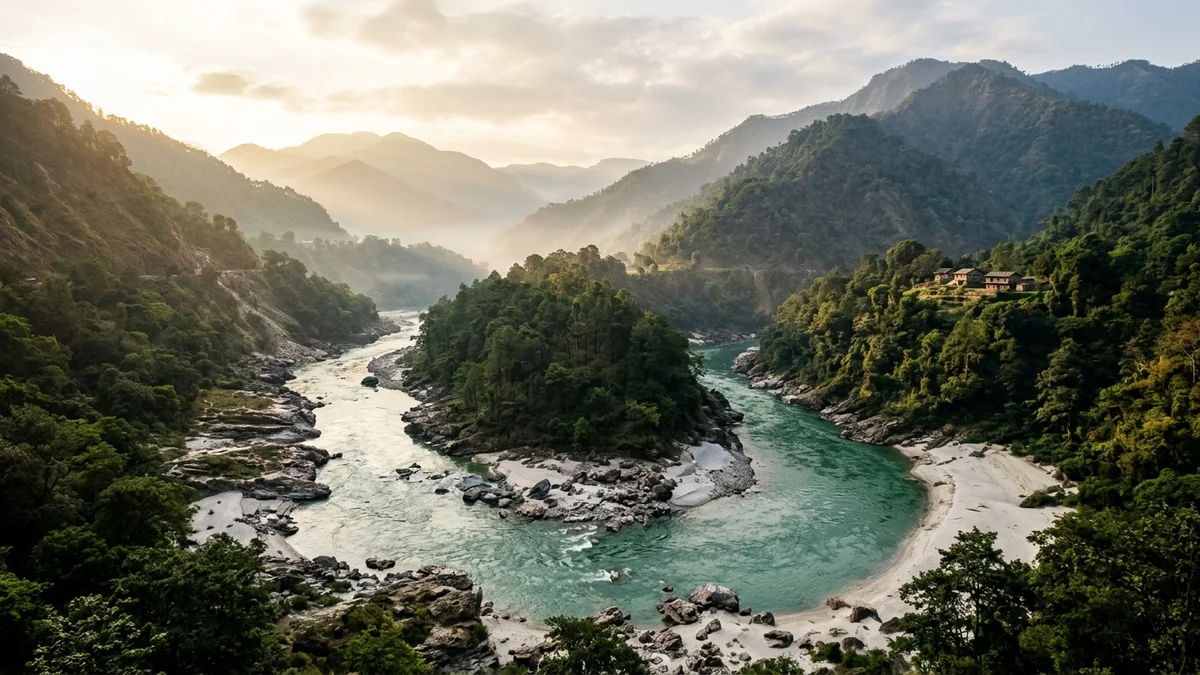
Thirty kilometres upstream along the winding Badrinath National Highway (NH 7), the river is hemmed in by steep, densely forested mountain walls. Here, in secluded canyon hamlets such as Byasi and Kaudiyala, the water roars through boulder-strewn rapids, the air smells of moist pine needles and wet sand, and the only nocturnal sounds are the rushing river and rustling sal leaves. Downstream, on the terraced hillside ridges of Tapovan overlooking Lakshman Jhula and the northern perimeter of Rishikesh town, the rhythm changes completely. Here, narrow hillside lanes hum with the clink of ceramic coffee cups in vegan bakeries, the resonant sound of Tibetan singing bowls, yellow-robed sadhus walking alongside international yoga students, and rooftop cafes offering panoramic vistas of the river bend below.
Neither setting is universally superior; each caters to completely distinct travel styles, energy levels, physical mobility needs, and daily rhythms. Whether you are mapping out a 48-hour road trip from Delhi NCR, organising an active river expedition, or planning a restorative week of wellness, understanding the practical trade-offs between Byasi’s riverside canyon and Tapovan’s hillside ridge is the essential first step.
1. Geographical Landscape & Physical Setting
To evaluate the choice accurately, one must first grasp the physical geography of the upper Ganges valley in Uttarakhand. Rishikesh is not a flat town; it is a layered foothill territory spanning elevations from 340 meters on the river floodplains to well over 480 meters on the surrounding forested ridges.
Byasi River Canyon
~380 m – 420 m Altitude
30 km upstream from Rishikesh on NH 7; deep valley gorge flanked by reserved forests.
Tapovan Hillside Ridge
~370 m – 460 m Altitude
Northern hillside tier above Lakshman Jhula; pedestrian lanes, yoga schools, and boutique cafes.
The Byasi Corridor: Deep Valley Seclusion
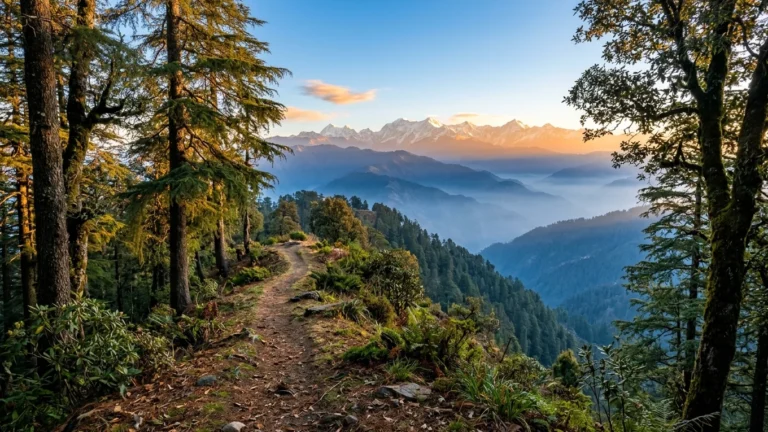
Byasi lies approximately 30 kilometres northeast of Rishikesh town, past the classic rafting junctions of Brahmpuri, Shivpuri, and Marine Drive. As you drive upstream along NH 7, the valley constricts dramatically. The broad riverbed gives way to towering cliffs of sandstone and metamorphic rock blanketed by sal, deodar, and wild shrubbery.
Stays in Byasi are nestled either along elevated agricultural terraces or built into the natural hillside bluffs set safely back from the river’s high-water mark. Because the canyon is narrow, cross-winds funnel down from the higher Garhwal ranges, making evenings distinctly cooler than in the plains below. Artificial light pollution is virtually nonexistent; once the sun drops behind the canyon rim, the valley is cloaked in deep mountain darkness, revealing brilliant starscapes and celestial views that urban dwellers rarely witness.
The Tapovan Ridge: Hillside Bohemian Energy
Tapovan sits on the eastern foothills overlooking the northern curve of the Ganges, directly adjacent to the iconic pedestrian suspension bridges of Lakshman Jhula and the modern Janki Jhula corridor. Once an austere sanctuary inhabited exclusively by wandering ascetics and hermits living in simple stone kutiyas, Tapovan has evolved over recent decades into North India’s preeminent global wellness village.
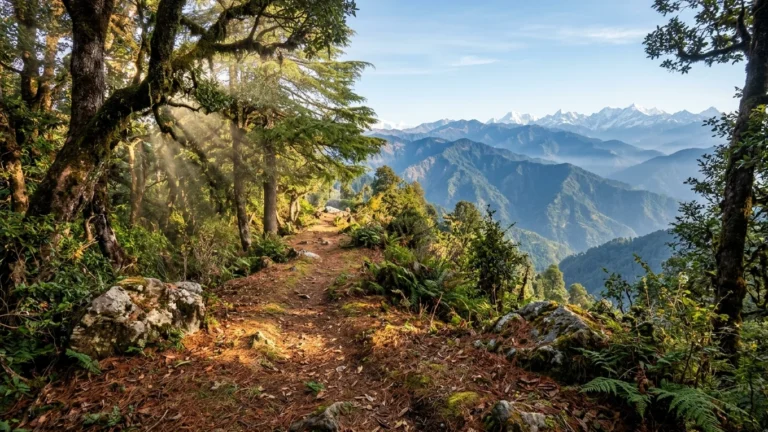
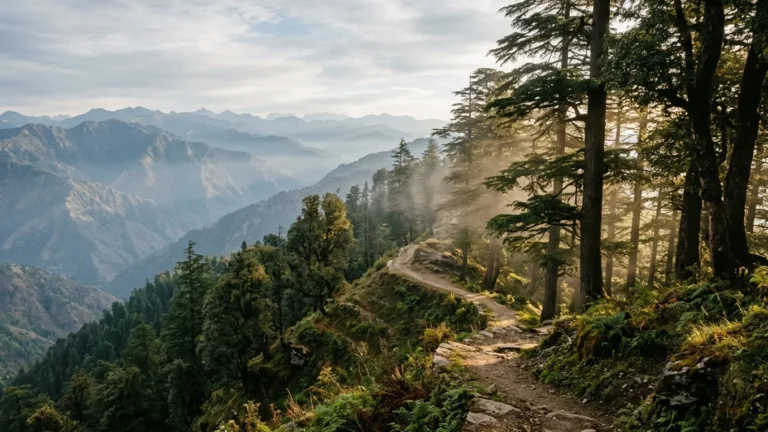
The topography here is stepped and terraced. The lower sections border the bustling Badrinath Road, while upper Tapovan climbs steeply into quiet forested ridges bordering the Rajaji National Park buffer zones. From upper hillside properties, guests enjoy commanding panoramic outlooks: the turquoise Ganges snaking through the valley, the temple spires of Swarg Ashram across the water, and the distant evening lights of Muni Ki Reti glowing below. However, this elevated panorama comes with urban density, lively street sounds, and steep footpaths.
2. White-Water Rafting & Adventure Access
For a substantial percentage of visitors travelling from Delhi NCR and beyond, Rishikesh is synonymous with Himalayan white-water rafting. How your choice of base camp impacts your river itinerary is one of the most critical logistical distinctions between Byasi and Tapovan.
The Byasi Staging Advantage
If white-water action is the central objective of your getaway, Byasi offers an unbeatable operational advantage: you are already based at the launch line. The most exciting and physically rewarding commercial rafting stretches permitted on the upper Ganges initiate between Kaudiyala, Byasi, and Marine Drive:
- Kaudiyala / Byasi to Rishikesh (Approx. 32 to 36 km): The definitive full-day river run, navigating legendary Class III and Class IV rapids including The Wall (a powerful hydraulic drop that commands expert scouting), Daniel’s Dip, Three Blind Mice, Crossfire, and Roller Coaster.
- Marine Drive to Rishikesh (Approx. 24 to 26 km): The most popular advanced run, starting just five kilometres downstream of Byasi. It packs continuous Class III and III+ wave trains into a thrilling three-hour descent ending near NIM Beach or Lakshman Jhula.
When you stay at a partner retreat such as Byasi Camps, there is zero pre-dawn highway commute. You wake up beside the river, complete safety orientation on the morning lawns, and step straight to the raft put-in while town-based tourists are still caught in morning traffic crawling up the canyon from Rishikesh.
Rafting Logistics from Tapovan
Staying on the ridge in Tapovan does not preclude you from rafting, but it transforms the logistics. Because major rapids begin well upstream, town-based rafters must board an operator’s transport van and endure a 45 to 60-minute uphill journey along NH 7 to reach the Marine Drive or Byasi staging points. On crowded holiday weekends or during the peak May–June tourist rush, highway bottlenecks can easily stretch this transit time to 90 minutes each way.
However, Tapovan holds the advantage at the end of the run. Most major commercial rafting trips conclude at NIM Beach or near Lakshman Jhula—directly below Tapovan. While Byasi-based rafters must board a return vehicle and drive 45 minutes back up the mountain in damp clothes, Tapovan residents simply walk ten minutes up the hill to their warm showers and dry clothes.
3. Official River Regulations, Seasons & Safety Mandates
White-water river running in Uttarakhand is strictly governed by the Uttarakhand Tourism Development Board (UTDB) under the comprehensive Uttarakhand River Rafting/Kayaking Rules. Adherence to these statutory requirements is mandatory for all licensed operators and independent travellers.
UTDB Official Rafting Guidelines at a Glance
- Statutory Operational Season: Officially open from September 15 to June 15 annually. Complete seasonal closure is enforced from mid-June through mid-September due to monsoon water volume and submerged recovery zones.
- Statutory Minimum Age: 12 years baseline minimum age under UTDB rules (applicable to gentler stretches up to Grade II, such as Brahmpuri to NIM Beach).
- Class III/IV Minimum Age: 14 years is enforced by certified outfitters on turbulent runs from Marine Drive (26 km) and Byasi/Kaudiyala (36 km) due to violent hydraulic forces.
- Upper Age Limit: The historical 65-year cap has been officially removed by UTDB; senior citizens are permitted subject to satisfactory self-declared medical fitness.
- Mandatory Safety Gear: Every participant must wear a certified Type-V Personal Flotation Device (PFD) and safety helmet. Swimming proficiency is not legally mandatory on commercial guided rafts.
- Medical Prohibitions: Rafting is strictly prohibited for expectant mothers and individuals with severe cardiac conditions, uncontrolled hypertension, epilepsy, or chronic spine/neck injuries.
For travellers navigating Himalayan mountain highways to reach these staging points, reviewing fundamental high-altitude driving protocols is equally critical. As detailed in our comprehensive guide to essential mountain driving protocols for first-time Himalayan drivers, maintaining steady drivetrain resistance on steep canyon ascents and respecting ascending right-of-way on narrow gorge sections ensures a safe, incident-free journey.
4. The Post-NGT Camping Reality: Beach vs. Terrace
A widespread misconception among first-time visitors is the belief that one can pitch an overnight camping tent directly on the water’s edge or sleep on the dry sand beaches of the Ganges. Prior to 2015, hundreds of unregulated operators pitched makeshift tents on river sandbars from Kaudiyala to Muni Ki Reti, leading to severe ecological damage, uncontained sewage seepage, and plastic pollution along the sacred river corridor.
In response to environmental degradation, the National Green Tribunal (NGT) issued landmark orders strictly prohibiting overnight camping on the active riverbed and sandbanks of the Ganga. Under current environmental regulations administered by the Uttarakhand State Pollution Control Board and district authorities:
- No Overnight Tents on Riverbed Sand: Setting up commercial accommodation on the active floodplain or dry sand beaches is illegal.
- Mandatory Setbacks and Elevated Terraces: All legally compliant adventure camps in Byasi, Shivpuri, and Marine Drive operate on elevated hillside terraces, plateau land, or private revenue plots situated safely above the High Flood Level (HFL).
- Closed Sanitation Infrastructure: Compliant camps must utilize bio-toilets, self-contained sewage holding tanks, or approved septic infrastructure to prevent any effluent from reaching the river.
Today, staying at an authorized riverside retreat in Byasi provides the best of both worlds: comfortable, elevated accommodation equipped with electricity, proper sanitation, and dining facilities, accompanied by private or managed footpaths leading directly down to natural white-sand beaches for daytime volleyball, quiet reflection, and morning riverside walks.
5. Yoga, Wellness, Dining & Bohemian Culture
While Byasi reigns supreme for raw natural immersion and white-water logistics, Tapovan offers an unparalleled cultural, culinary, and spiritual ecosystem that no secluded canyon can replicate.

The Tapovan Lifestyle
For travellers whose vision of a foothills retreat includes daily Ashtanga or Hatha yoga, Ayurvedic rejuvenation, sound healing therapy, and leisurely afternoon reading in sunlit cafes, Tapovan is unmatched. Within a fifteen-minute stroll along its winding hillside paths, one can access:
- World-Class Yoga Studios: Daily drop-in classes, pranayama workshops, and multi-week teacher training programs led by master instructors.
- Exceptional Global Dining: Vibrant bakeries serving sourdough breads, organic salads, wood-fired sourdough pizzas, Israeli shakshuka, and cold-pressed juices alongside traditional Garhwali herbal teas.
- Spiritual & Cultural Immersion: Walking distance across the footbridges to evening Ganga Aarti ceremonies at Parmarth Niketan and Shatrughna Ghat, as well as historic temples and classical sitar concerts.
In contrast, dining in Byasi is centered around camp hospitality. Stays provide hearty, freshly prepared buffet meals—comforting dal, seasonal vegetable curries, rotis, rice, and evening barbecue snacks around a campfire—but you will not find boutique artisanal cafes, specialized dietary menus, or vibrant shopping markets in the canyon.
6. Comprehensive Side-by-Side Comparison
To help you evaluate which environment best aligns with your party’s expectations, this detailed comparison matrix breaks down the essential operational dimensions of Byasi and Tapovan:
| Feature / Dimension | Byasi (Riverside Canyon) | Tapovan (Hillside Ridge) |
|---|---|---|
| Geographic Setting | Deep, narrow river gorge along NH 7; 30 km upstream. | Elevated hillside terraces overlooking northern Rishikesh. |
| Acoustic Environment | Continuous river roar, forest breeze, zero traffic horns. | Lively cafe chatter, temple bells, occasional street noise. |
| Rafting Launch Access | Immediate; located right at the Kaudiyala/Byasi staging banks. | Requires 45–60 min uphill vehicle transfer along NH 7. |
| Rafting Finish Convenience | Requires 45 min vehicle transfer back up the highway. | Immediate; major runs terminate directly at NIM Beach below. |
| Yoga & Meditation | Self-guided or on-site morning sessions on camp lawns. | Hundreds of certified ashrams, studios, and master workshops. |
| Culinary Variety | Wholesome fixed camp buffets (Garhwali/North Indian). | Cosmopolitan cafes, vegan bakeries, organic juice bars. |
| Road & Parking Access | Direct highway frontage with dedicated on-site parking. | Narrow lanes, acute parking shortages, frequent traffic jams. |
| Walkability & Strolling | Natural river sandbars, boulder paths, hillside trails. | Vibrant shopping lanes, craft bazaars, footbridges to ghats. |
| Physical Mobility Demands | Steep walking tracks or stone steps from parking down to tents. | Steep pedestrian gradients and long uphill alley walks. |
| Monsoon Viability | Low (July–August: rafting closed, river swollen, rain vigilance). | High (year-round; indoor yoga, cafes, and spas operate normally). |
| Night Skies & Stars | Outstanding dark-sky clarity; zero municipal light pollution. | Moderate; obscured by ambient streetlights and building glow. |
For travellers looking to compare this riverside dynamic with other mountain corridors under seven hours from the capital, our comparative overview of uncrowded mountain routes from Delhi under seven hours highlights how the NH 334/NH 7 Ganges route stacks up against the Shivalik ascents of Kasauli and Chail.
7. Seasonality & The Weather Calendar
Understanding regional micro-climates ensures your getaway meets expectations. Weather in the lower Himalayan foothills varies significantly across the annual cycle:
Autumn: October & November (The Peak Clear Season)
Autumn is arguably the most magnificent time to visit both Byasi and Tapovan. Following the cessation of the summer monsoon, the Ganges settles into its iconic turquoise-emerald hue. Daytime temperatures hover comfortably between 22°C and 28°C, while nights turn crisp and refreshing (12°C to 16°C). Rapid formations are stable, visibility across the ridges is crystal-clear, and campfires in Byasi become genuinely enjoyable. As explored in our deep analysis of why autumn offers the clearest Himalayan vistas, atmospheric post-monsoon settling makes October and November ideal for outdoor adventure.
Winter: December to February (Crisp Days & Chilly Nights)
Winter brings bright, sunny daytime conditions (18°C to 22°C) coupled with sharp nocturnal drops (5°C to 10°C). In the deep canyon of Byasi, the sun hits the valley floor later in the morning and dips behind the western ridge earlier in the afternoon. Stays in Byasi require warm fleece layers and heavy blankets, though afternoon beach volleyball in the sunshine is glorious. In Tapovan, cafes with heated indoor seating and sunny rooftop terraces provide cozy retreats.
Spring: March & April (Vibrant Warming Window)
Spring is prime adventure season. Daytime temperatures warm to 26°C–32°C, snowmelt from upper Himalayan glaciers refreshes the river volume, and water temperatures remain cool and invigorating. Both Byasi camps and Tapovan wellness retreats operate at full capacity during this window.
Early Summer: May to Mid-June (Pre-Monsoon Rush)
As the plains of Delhi NCR and Punjab swelter above 42°C, Rishikesh experiences heavy tourist traffic. Midday temperatures in the foothills reach 35°C to 38°C, though the cold glacial waters provide immediate relief. Stays equipped with efficient air-cooling or air-conditioning are essential. By mid-June, pre-monsoon cloud cover begins gathering over the Garhwal peaks.
Monsoon: Late June to Mid-September (River Closure & Rejuvenation)
During peak monsoon, commercial river rafting is legally suspended. The Ganges swells dramatically, carrying brown silt and driftwood, submerging low-lying sandbars. While Byasi camps scale back or temporarily pause operations to prioritize guest safety, Tapovan remains active. Monsoon is revered among seasoned practitioners as the traditional time for Ayurvedic panchakarma treatments, contemplative yoga study, and watching dramatic rainstorms roll across the Shivalik foothills.
8. Traveller Suitability: Choosing Your Ideal Setting
Choose Byasi (Riverside) If:
- Your core reason for visiting is white-water rafting, body surfing, and river activities.
- You crave absolute nocturnal quiet, the raw sound of flowing water, and clear starry night skies.
- You are travelling by private vehicle and want easy highway access with assured on-site parking.
- You are planning a multi-day outdoor gathering or active family escape where open space and natural exploration are paramount.
- You prefer inclusive camp-style dining over daily cafe hopping.
Choose Tapovan (Ridge) If:
- You want walking access to daily yoga classes, meditation sessions, and Ayurvedic wellness spas.
- You love exploring vibrant food scenes, boutique coffee roasters, and bakeries.
- You are a solo traveller or digital nomad seeking reliable cafe workspaces and social energy.
- You wish to attend the evening Ganga Aarti ceremonies across the pedestrian suspension footbridges.
- You are travelling during the monsoon months (July–August) when river-based camps are closed.
For multi-generational families planning vacations with small children or grandparents, assessing physical walking demands is vital. As detailed in our guide on selecting family-friendly hill stays with gentle nature trails, steep stepped paths between hillside parking lots and river terraces can challenge older travellers. Confirming level walking paths and room access before departure guarantees a comfortable family experience.
9. Pre-Booking Verification Checklist
Before confirming any reservation in either Byasi or Tapovan, verify these four essential operational factors directly with your lodging provider:
- Mobility & Terrain Steps: In Byasi, ask exactly how many stone steps or incline meters separate the vehicle parking area from the accommodation units and dining deck. In Tapovan, verify whether a taxi can pull up to the reception door or if luggage must be carried along narrow pedestrian walking lanes.
- Power Backup & Climate Control: Summer afternoons (April to June) in the foothills require adequate air-cooling. Verify whether your chosen accommodation provides air-conditioning or desert coolers, and whether on-site generator backup supports overnight cooling during intermittent rural power cuts.
- Licensed Rafting Verification: Ensure any rafting trips arranged through your stay are operated exclusively by UTDB-registered outfitters utilizing certified river guides and Type-V PFD life jackets.
- Mobile Network Strength: While general 4G coverage along the NH 7 corridor is stable, remote river terraces framed by sheer rock walls may experience localized blind spots. If you require uninterrupted cellular connectivity for work, confirm verified signal reliability with your host.
For travellers combining a low-altitude river escape with high-altitude ridge vistas, connecting your Rishikesh journey with higher Himalayan destinations is straightforward. As mapped in our comprehensive guide to Kanatal’s quiet high-altitude ridge escapes, ascending just two and a half hours past Rishikesh via Narendra Nagar and Chamba brings you to 2,590 meters, where crisp cedar forests and snow-capped Himalayan panoramas provide a striking contrast to the warm river valley below.
Plan Your Curated Rishikesh Foothills Getaway
Upvan Hotels & Resorts partners with verified, environmentally compliant retreats across both the Byasi river canyon and the tranquil hillsides of Rishikesh. Whether you seek an authentic white-water rafting expedition with evening campfires on an elevated river terrace, or a peaceful hillside sanctuary with sweeping valley outlooks and dedicated yoga decks, our concierge team provides transparent, unhurried guidance tailored to your group’s specific travel style.
Plan Your Mountain Retreat with Upvan
Experience handpicked mountain resorts, pine-sheltered cottages, and riverside sanctuaries across Himachal Pradesh, Uttarakhand, and near Delhi NCR. Enjoy verified hospitality, best direct rates, and personalized mountain itineraries.